Editorial · Founder perspective + Found & Form research
Beyond Etsy
What it takes to make an independent jewelry brand discoverable.
Valltasy founder Valerya Kanonov on marketplace discovery, building a destination of her own, and the long work of becoming a brand customers know by name.
Dana Roth · Found & Form · September 30, 2026
Founder perspective
The marketplace solved the first discovery problem
When Valerya Kanonov began building Valltasy, Etsy gave a small independent designer something difficult to create alone: an audience already searching for handmade jewelry.
“When you're a small independent designer and nobody knows your name yet, Etsy gives you access to people who are already there specifically looking for jewelry and handmade pieces.”
That built-in discovery mattered. Kanonov says Etsy helped Valltasy reach customers she probably would never have reached independently at that stage.
But the marketplace changed. Competition increased, truly handmade one-person businesses became harder to distinguish among enormous numbers of listings, and Valltasy’s dependence on somebody else’s algorithm began to look less like a permanent strategy.
“I don't want Valltasy to depend entirely on a marketplace or its algorithm.”
Founder perspective
An Etsy shop is not the same thing as a brand
For Kanonov, building valltasy.com was not simply about opening a second checkout.
It was about creating a place where the photography, collections, stories and overall feeling of Valltasy could exist without competing recommendations from other sellers surrounding every product.
“For me, it was very important to build Valltasy as a brand rather than just have an Etsy shop.”
The tradeoff is straightforward. A marketplace supplies an audience but limits control. An independent website supplies control but does not supply an audience.
“You can build the most beautiful website in the world, but that doesn't mean anyone will find it.”
Kanonov says getting people to Valltasy’s independent site has taken years of audience building, content, social media, Google visibility and relationships with returning customers.
The work
A selection from Valltasy
01 / 06
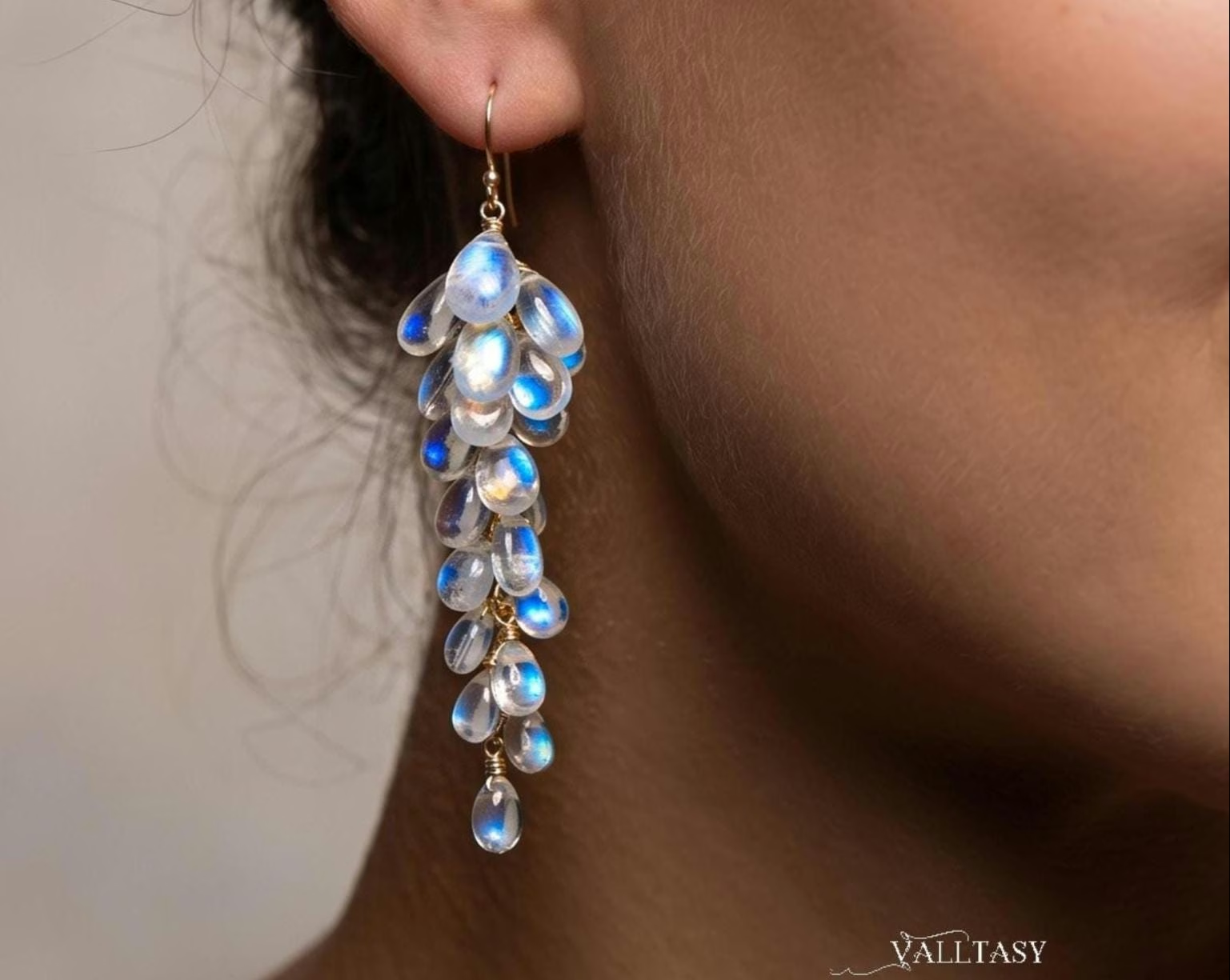
Moonstone cascade earrings
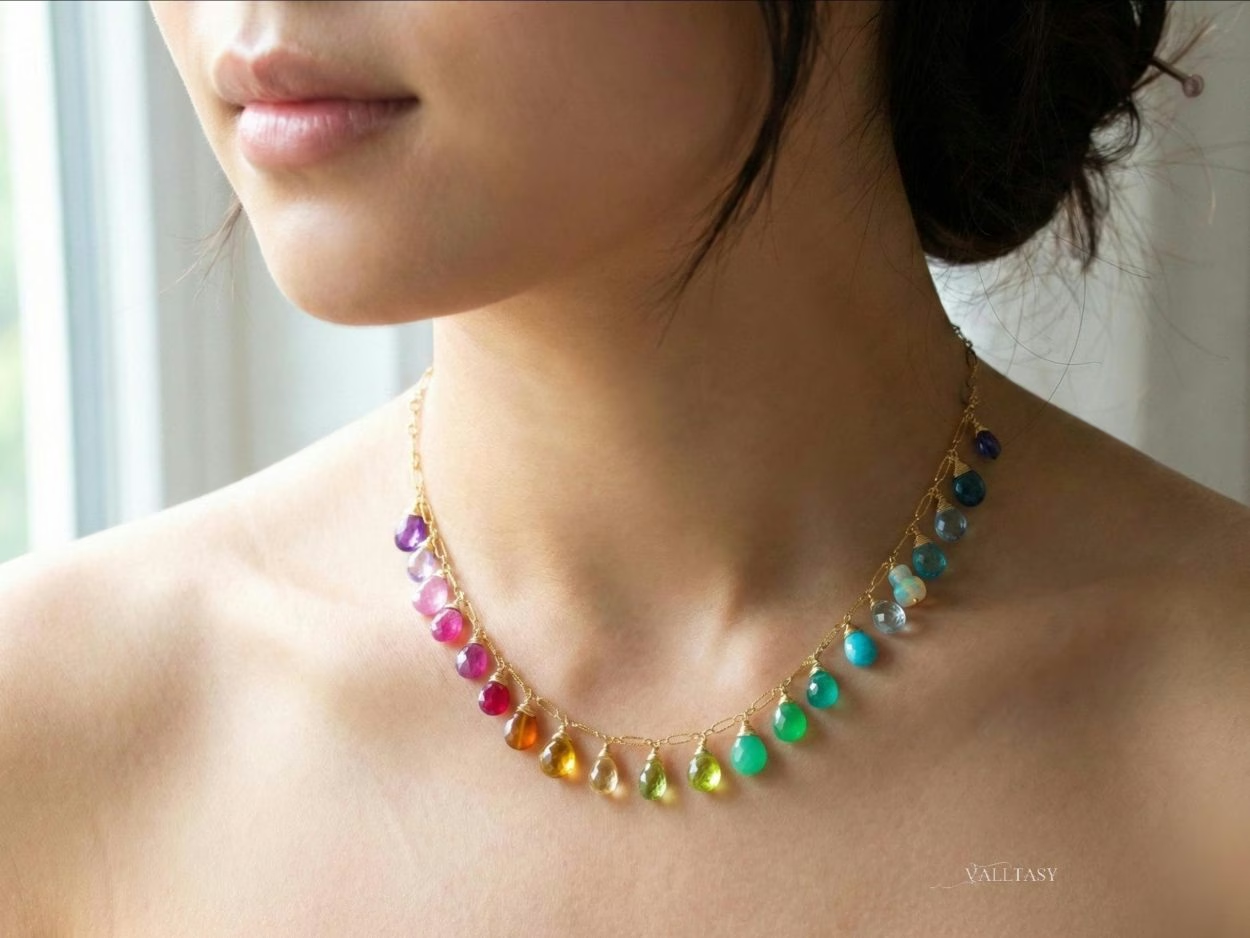
Valltasy’s gemstone work is built around movement, light and saturated natural color.
View Valltasy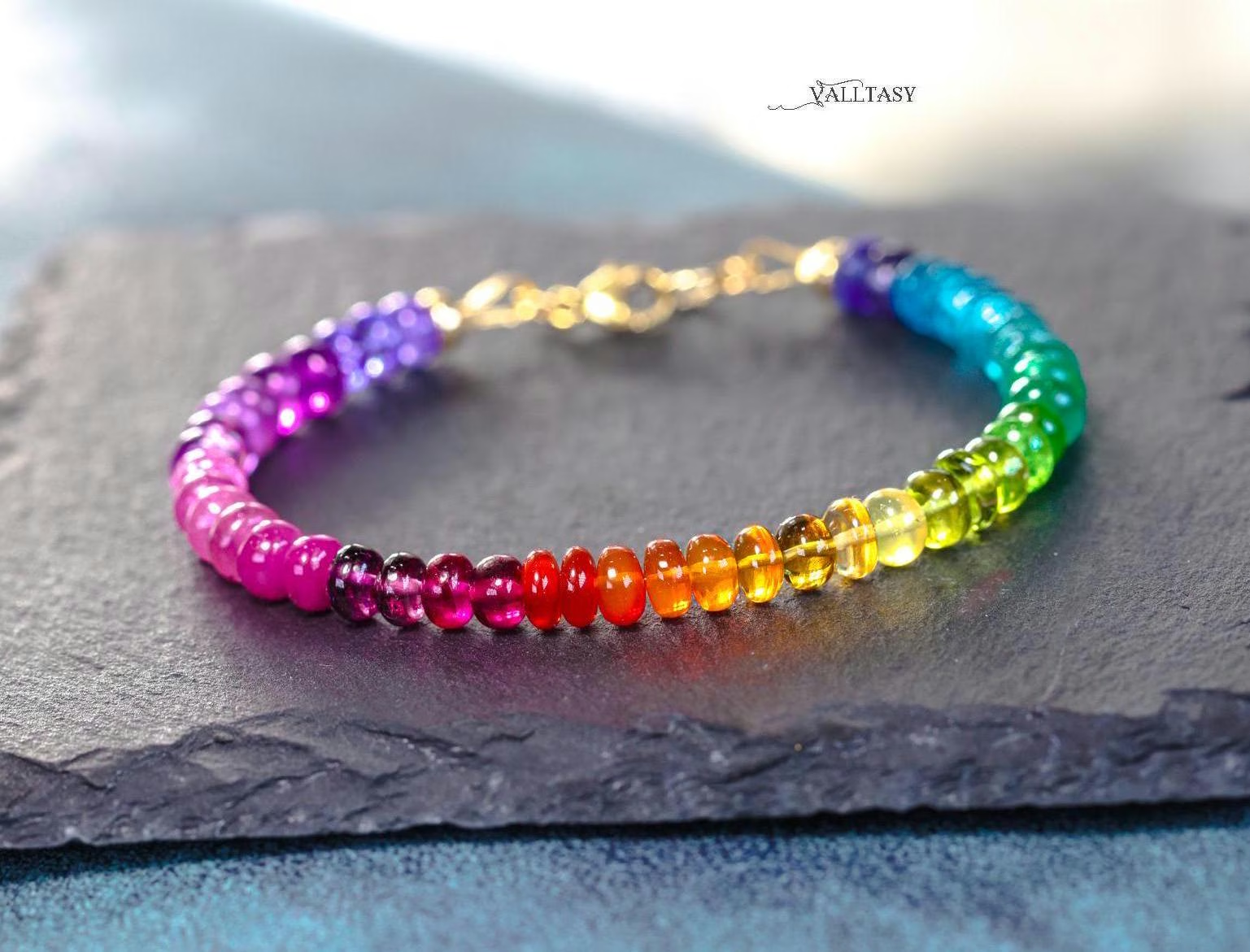
02 / 06
Rainbow gemstone bracelet
A spectrum of gemstones makes the rainbow language of the brand immediately legible.
View Valltasy03 / 06
Rainbow gemstone drop necklace
Color is treated as composition, with individual stones creating a continuous gradation.
View Valltasy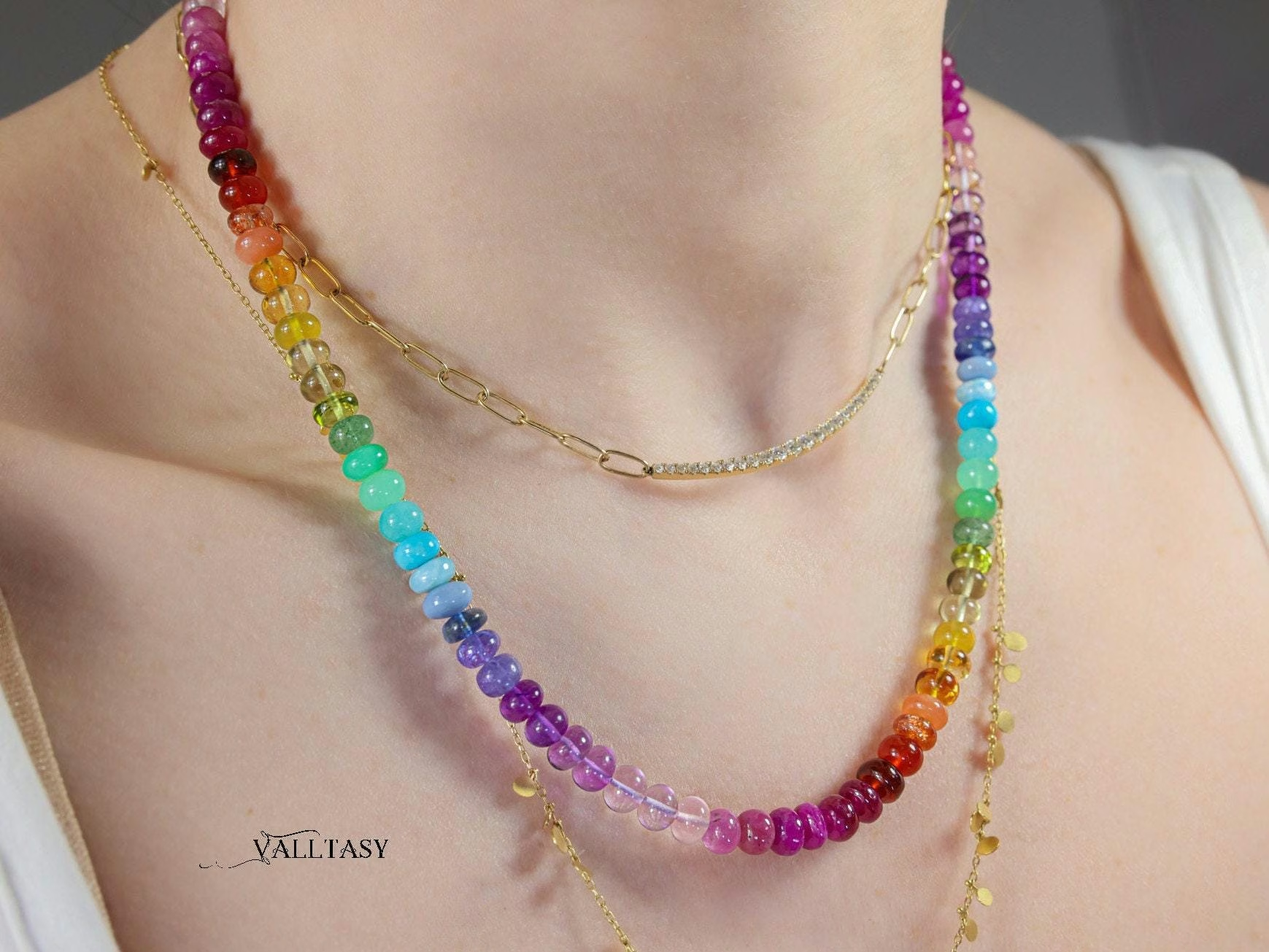
04 / 06
Layered rainbow gemstone necklace
Worn on the body, the multi-gemstone palette reads as jewelry rather than simply a product category.
View Valltasy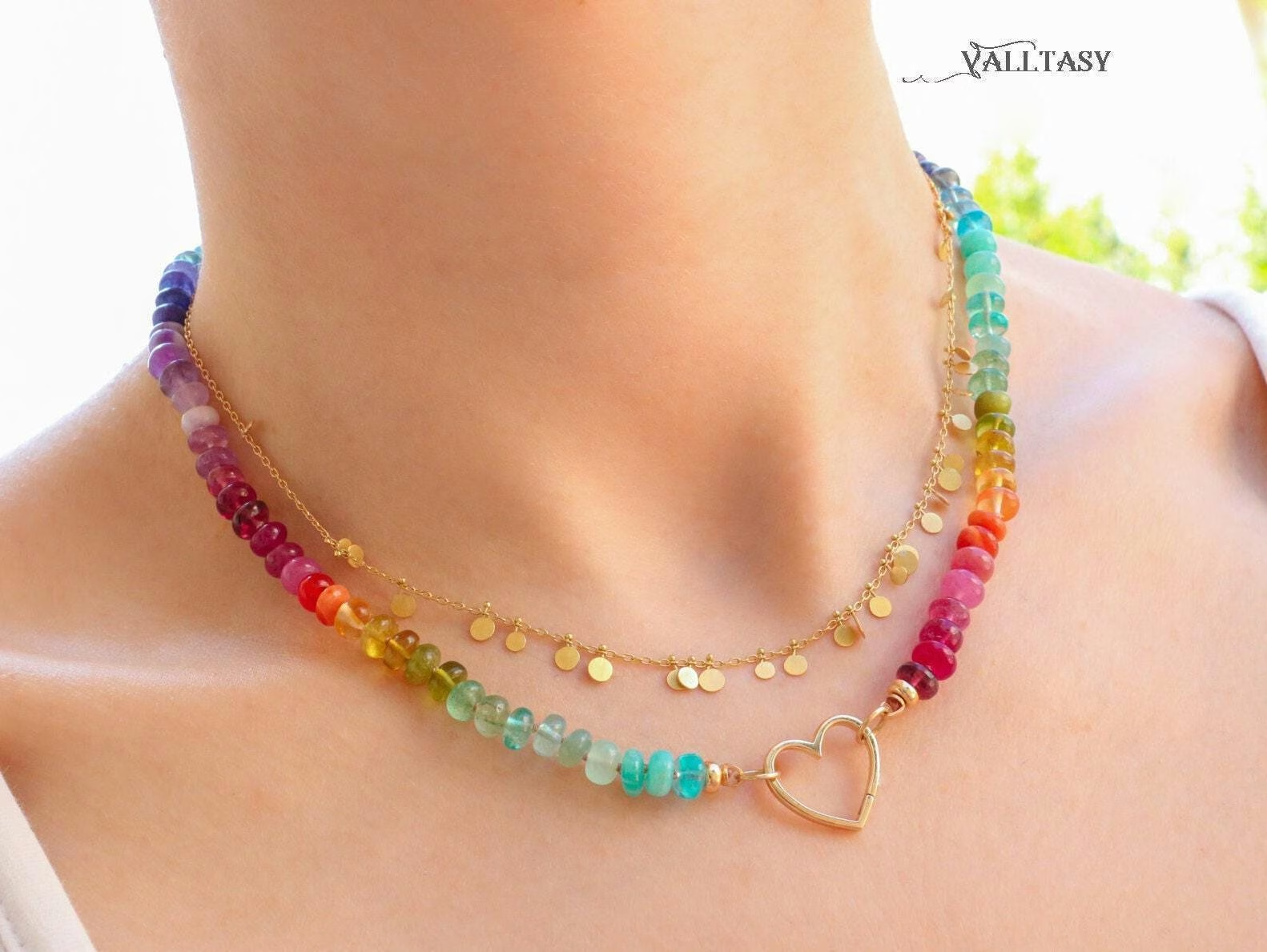
05 / 06
Rainbow gemstone heart-clasp necklace
A heart connector turns the clasp into part of the design while the repeating gemstone sequence carries the rainbow motif.
View Valltasy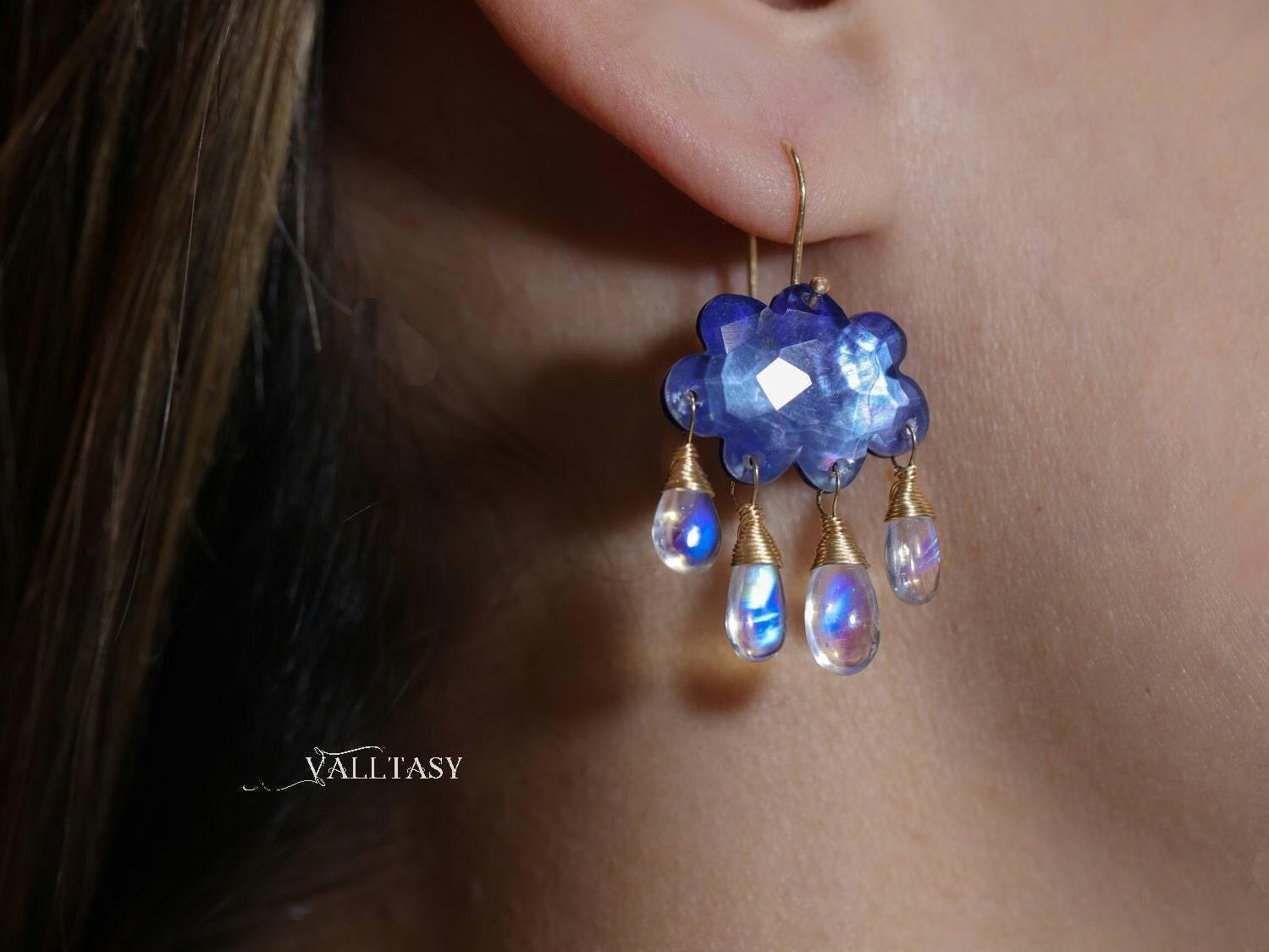
06 / 06
Blue gemstone and moonstone drops
Cool blue stones and luminous drops show the quieter, iridescent side of Valltasy’s color vocabulary.
View ValltasyPhotography: Valltasy.
The work behind the data
Color is Valltasy’s recognizable language.
Kanonov describes Valltasy as a one-woman business built around colorful fine gemstone jewelry. Multi-gemstone bracelets are not an arbitrary keyword territory; they are visibly part of the brand’s product identity.
The important question is no longer whether an independent site can rank. Valltasy already does.
The question is what happens as discovery moves beyond traditional Search.
Found & Form research
The independent site is creating discovery
Valltasy’s US Google footprint is modest compared with a large jewelry retailer, but it contains something more important for this story: evidence that people can encounter the site without already knowing the Valltasy name.
Much of the visibility comes from educational content about gemstones and jewelry. That matters because it shows the website functioning as more than a catalog. It is creating entrances into the brand from questions, materials and product categories.
In other words, Kanonov’s description of Google bringing people directly to Valltasy is consistent with the public Search footprint.
Founder perspective
Discovery and purchase do not happen in the same place
Kanonov describes customer discovery today as a mixture of Etsy, Google, Instagram, returning customers and word of mouth.
“Someone might first see Valltasy on Instagram, then Google the name, visit my website several times, follow me for months, and eventually purchase.”
That journey is particularly plausible for jewelry, where consideration can stretch across weeks or months and a purchase may happen far from the first encounter.
It also makes single-channel attribution an incomplete description of how an independent brand grows. The marketplace, social account, Google result, owned website and returning-customer relationship can all participate in the same sale.
Found & Form research
AI can find Valltasy without recommending Valltasy
Kanonov told Found & Form she could not specifically remember a customer saying they had discovered Valltasy through ChatGPT or another AI tool. She is nevertheless interested in AI’s potential to introduce shoppers to smaller, highly specific brands.
Semrush’s AI data shows an intriguing early version of that transition. In the US snapshot, Valltasy had an AI Visibility score of 14/100, only three brand mentions, 206 citations and 27 cited pages. The brand had zero ChatGPT mentions, zero Google AI Overview mentions, two AI Mode mentions and one Gemini mention.
The information is traveling farther than the brand name.
That distinction became clearer when we tested a product category where Valltasy already has strong Google rankings.
This is one prompt, not a universal measure of AI visibility. It does not mean Valltasy never appears for multi-gemstone jewelry. It shows something narrower: strong Google visibility in a relevant product territory did not transfer into this controlled AI shopping response.
Analysis
Independence shifts the discovery problem back onto the brand
Valltasy’s experience captures a tension facing independent sellers who grow beyond marketplaces.
Etsy can put a piece in front of a shopper before the shopper knows the designer exists. An owned site gives the designer control over brand, storytelling, customer relationship and presentation, but the brand must create its own routes in.
Kanonov’s answer is not to abandon Etsy. She sees the marketplace and the independent site working together while the owned audience grows.
“Think of their website as much more than another place to list the same products. It should give people a reason to remember you.”
That may become even more important as discovery fragments. The job is no longer simply to rank a product page or win a marketplace search. It is to create enough recognizable evidence around a brand that customers can encounter it across many different starting points.
The Found & Form takeaway
Building an independent site gave Valltasy control. Years of content and audience building began giving that site discovery.
But discovery is moving again.
Valltasy can already rank highly in Google for relevant non-branded product searches while remaining nearly invisible as a named recommendation in AI.
That gap is not a failure of the independent-site strategy. It is the next discovery problem.
Independence does not remove the need for platforms. It changes which parts of discovery the brand must learn to own.
The brand in this editorial
Valltasy
Independent, handcrafted gemstone jewelry by Valerya Kanonov.