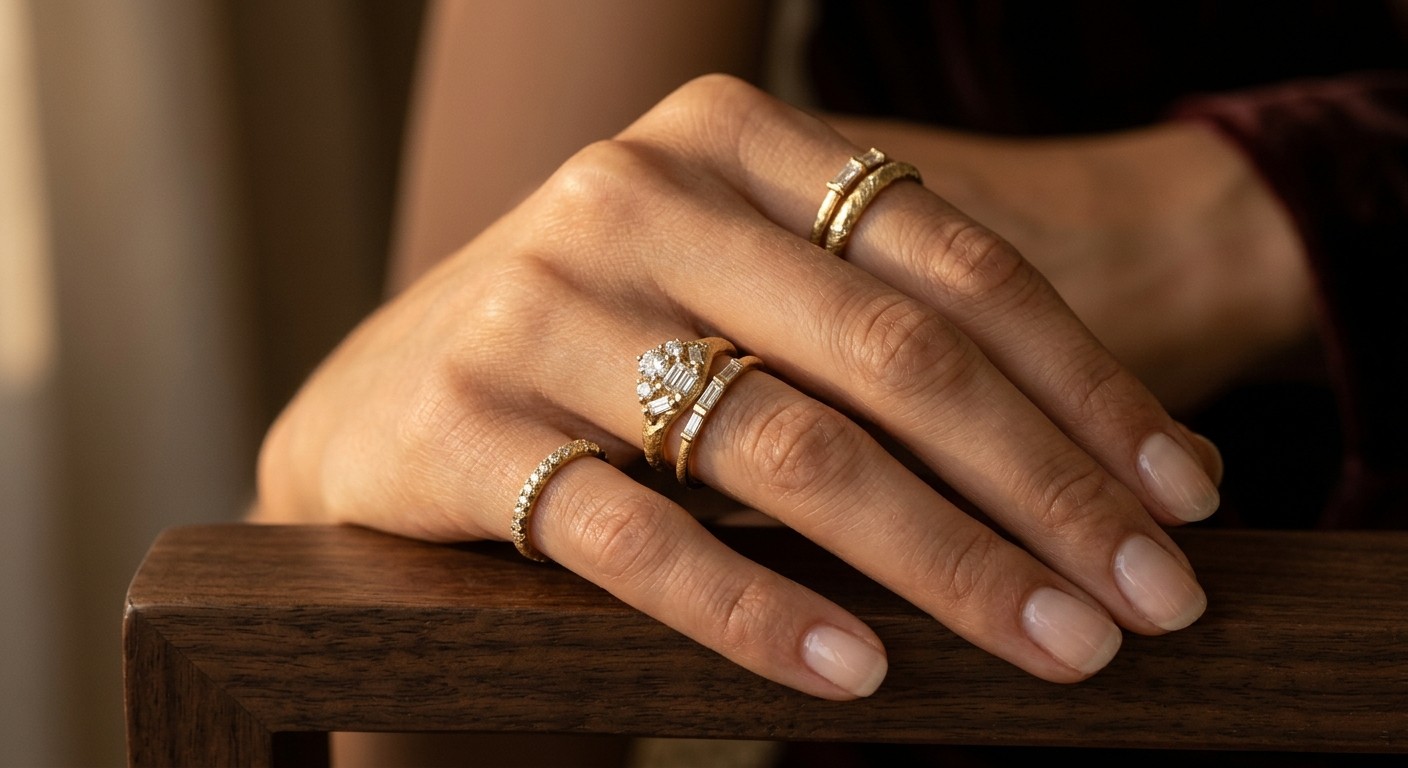
We examined independent jewelry designers with a US-market discovery lens: can a potential US buyer find the brand, understand what it makes, and realistically order from it? We asked ChatGPT, Google AI Mode and Gemini broad questions about unique, hidden-gem jewelry, and sixteen of the twenty pilot brands never came up. Then we asked about what those brands actually make. Four of the nine we tested for appeared.
This is a small, exploratory pilot, not a ranking and not a finding about actual US shoppers. The research uses US-market Semrush signals. It combines two separate sets of runs, and this article keeps them apart.
That tension is visible in independent sellers' own conversations. In an r/EtsySellers discussion, an EU-based handmade-jewelry seller asked whether US buyers would order from overseas despite shipping and customs costs. The seller described a niche product with a potentially limited home market. This is one seller's question, not a representative consumer survey or evidence about AI recommendations—but it captures the commercial reason US discoverability matters to international designers.
“American. Right now, I’m avoiding international sellers unless it’s something I really need and can’t get in the US.”
Two kinds of question, two different answers
Set one: 45 broad-prompt runs. We ran seven buyer-style prompts about unique, hidden-gem and sculptural jewelry, taken from Semrush Prompt Research, across ChatGPT, Google AI Mode and Gemini. In the answers, the 20 pilot brands filled 6 of 900 brand slots (45 runs times 20 brands). Sixteen of them, including all five US and all five Japanese brands, were never named.
Set two: 18 specialty-prompt runs. Afterwards we asked whether the zeroes were partly a prompt problem. We wrote six prompts that describe what particular pilot brands make (a liquid-gold diamond ring, molten cast gold with skull or padlock motifs, minimalist Japanese 18K gold) and ran each once on each platform. These prompts were designed by the researcher from each brand's documented specialty. They are not independently collected buyer questions, and they name no brand. They are a separate dataset and are not pooled with the 45.
What happened when the prompt described the work
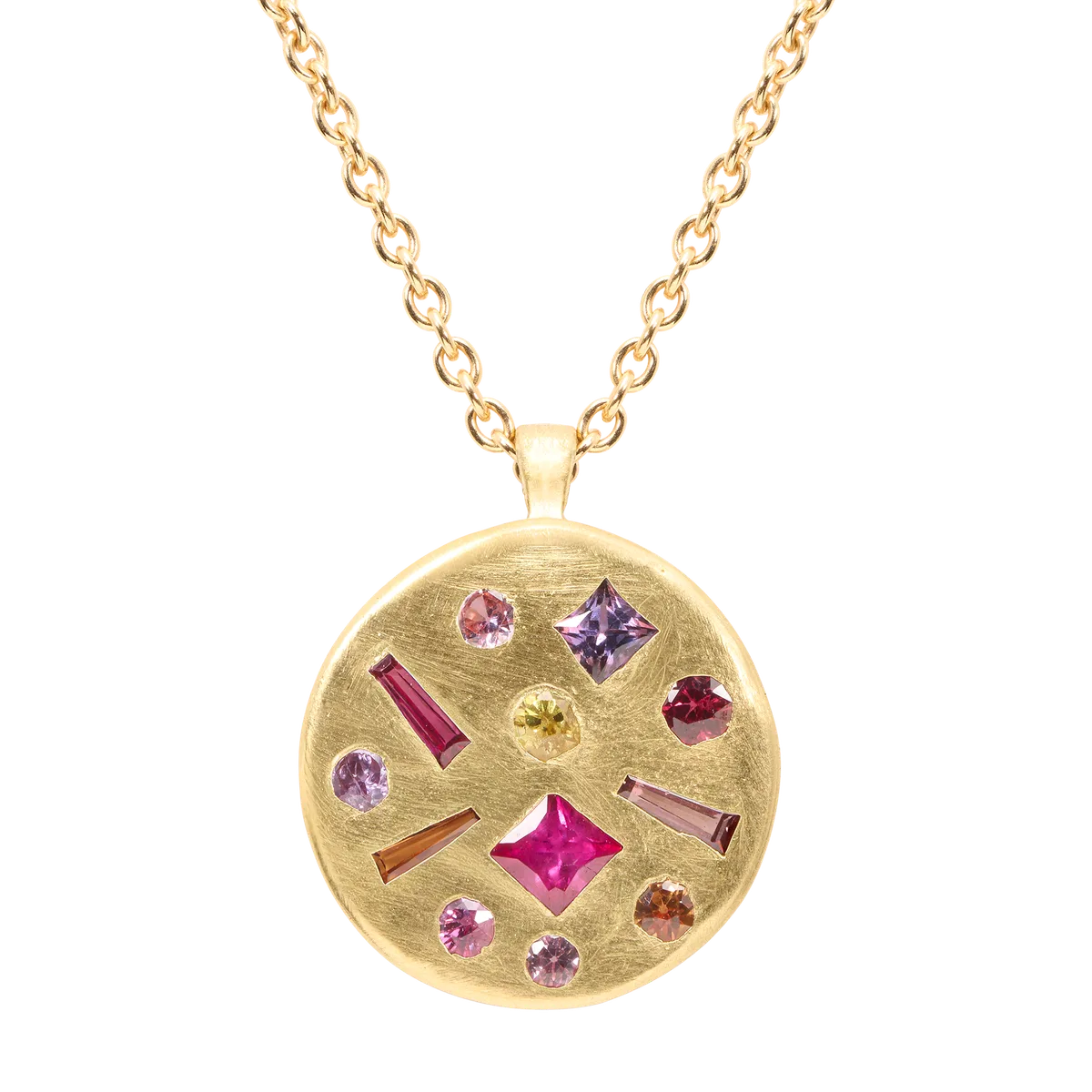 Polly Wales Brand imagery · View product ↗
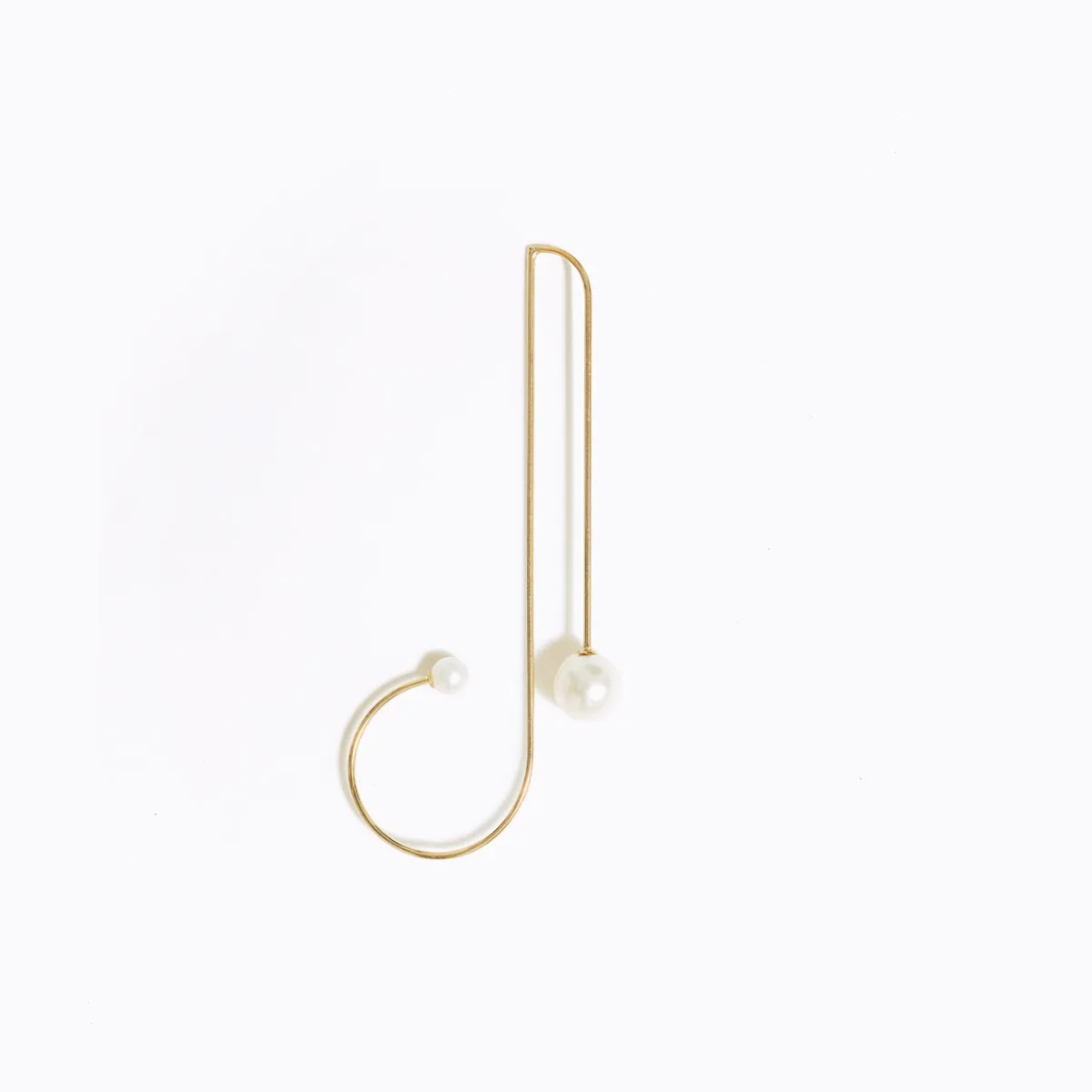 Shihara Brand imagery · View product ↗
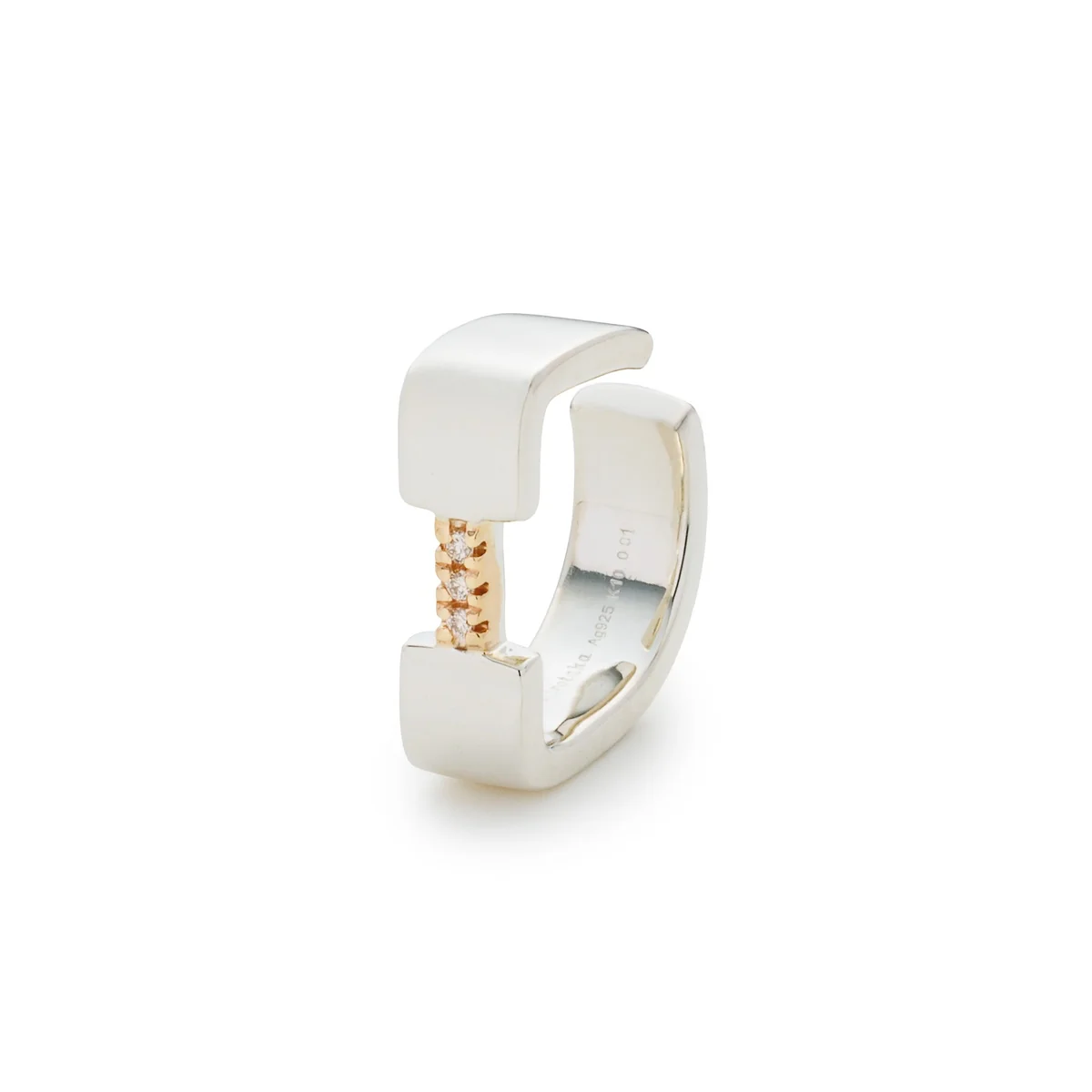 Hirotaka Brand imagery · View product ↗
Polly Wales
3 of 3platforms named it for the molten cast-gold, skull and padlock prompt; first on ChatGPT and Gemini
Not named in any of the 45 broad runs.Shihara
3 of 3platforms named it for the Japanese minimalist 18K prompt; first on ChatGPT and Gemini
Not named in any of the 45 broad runs.Hirotaka
3 of 3platforms named it for the same prompt; first on Google AI Mode
Not named in any of the 45 broad runs.Lizzie Mandler
1 of 3platforms named it for the liquid-gold prompt: Google AI Mode, listed first
ChatGPT and Gemini did not. Not named in the 45 broad runs.Five brands tested did not appear on any platform: Sasha Walsh (salt-and-pepper diamond engagement rings), Dorian Webb (baguette diamond studs), Yutai, Talkative and Shinkai. These were not rescued by a specific prompt, which matters as much as the four that were.
Who appeared when the prompt named the specialty
Six researcher-written prompts · 18 runs · one run per platform per prompt · 10 brand-prompt pairs, 9 brands
| Brand · prompt | ChatGPT | AI Mode | Gemini | Semrush US topic mentions |
|---|---|---|---|---|
| Polly WalesK2 · molten cast gold, skull or padlock motifs | Named first | Named | Named first | 2 |
| ShiharaK4 · Japanese minimalist 18K gold | Named first | Named second | Named first | 24 |
| HirotakaK4 · Japanese minimalist 18K gold | Named second | Named first | Named second | 36 |
| Lizzie MandlerK1 · liquid gold diamond ring or knife-edge band | Not named | Named first | Not named | 2 |
| Dorian WebbK6 · baguette diamond studs, 14K or 18K | Not named | Not named | Not named | 1 |
| TalkativeK4 · Japanese minimalist 18K gold | Not named | Not named | Not named | 1 |
| YutaiK4 · Japanese minimalist 18K gold | Not named | Not named | Not named | 0 |
| ShinkaiK4 and K5 · Japanese minimalist 18K gold; hand-engraved gold | Not named | Not named | Not named | 0 |
| Sasha WalshK3 · salt-and-pepper diamond engagement ring, 14K | Not named | Not named | Not named | 0 |
One pattern is worth noting, with care: in these ten pairs, the brands that appeared were the ones with at least two Semrush mentions in the matching specialty topic, and the brands with none or one did not. That is ten observations. It suggests the specialty topic is where a niche brand's visibility lives; it does not show that Semrush counts predict recommendations.
Two small incidental observations: Google AI Mode listed Found & Form Discovery Study brand ARTËMER when asked about baguette diamond studs, and Gemini named Castro Smith, a pilot brand never named in the 45 broad runs, when asked about molten cast gold. The “never named” list describes those 45 runs, not a permanent state.
The brands that kept appearing in the broad runs
In the 45 broad runs four designers recurred: AGMES (named in 13 runs), Completedworks (10), Charlotte Chesnais (9) and Alighieri (7). A fifth, Catbird, also recurred in the original runs but was not part of the follow-up. We use these four as examples from this pilot. They are not universal winners, and other prompts, platforms, days or locations would produce different names. The pilot found low overlap between platforms and between repeat runs of the same prompt.
What the four share, from their own sites, Semrush and the pages the AI answers cite:
- Largely silver, vermeil or plated, at accessible prices. Sampled median product prices: AGMES $560, Completedworks £295, Alighieri £280 (Charlotte Chesnais not captured). Some solid gold exists in each range.
- Placement on consumer brand lists. Vogue is the top outside source Semrush records as cited for all four.
- A wide, mostly non-branded footprint. Semrush records their mentions across 119 to 304 topics, with only 3 to 7 percent coming from the brand's own name.
Category, price tier and consumer editorial coverage move together
This is the part of the pilot we find most useful for independent fine jewelers, and the part most easily over-read. Three things line up, and the data cannot separate them.
1. Consumer roundups name the recurring brands
We opened seven consumer brand lists from Vogue, Who What Wear, Marie Claire and ELLE UK on October 17, 2026 and counted exact brand names. AGMES and Completedworks each appear on five of the seven. Alighieri appears on two and Charlotte Chesnais on one. None of the 16 never-named pilot brands appears on any list. (An eighth Vogue page, an essay on the state of jewelry, is not a brand list and named none.)
Which brands the seven lists name
Seven consumer brand-list pages · exact-name matches · scanned October 17, 2026
| Brand | V1 | V2 | V3 | W1 | W2 | M1 | E1 | Lists | Broad runs |
|---|---|---|---|---|---|---|---|---|---|
| AGMESRecurring | ● | ● | ● | – | ● | ● | – | 5 of 7 | 13 of 45 |
| CompletedworksRecurring | – | ● | ● | ● | ● | ● | – | 5 of 7 | 10 of 45 |
| Charlotte ChesnaisRecurring | – | ● | – | – | – | – | – | 1 of 7 | 9 of 45 |
| AlighieriRecurring | – | – | – | ● | ● | – | – | 2 of 7 | 7 of 45 |
| Sophie Bille BraheNamed 3 of 45 | ● | ● | – | – | ● | – | – | 3 of 7 | 3 of 45 |
| KinradenNamed 1 of 45 | – | – | – | – | – | – | ● | 1 of 7 | 1 of 45 |
| Ellis Mhairi CameronNamed 1 of 45 | – | – | – | – | – | – | – | 0 of 7 | 1 of 45 |
| ElhanatiNamed 1 of 45 | – | – | – | – | – | – | – | 0 of 7 | 1 of 45 |
| 16 never-named pilot brandsNever named | – | – | – | – | – | – | – | 0 of 7 | 0 of 45 |
The list matters in two ways. First, these pages are the kind of source AI answers lean on: Vogue is named or cited in 7 of the 45 raw runs, and Who What Wear in 2. Second, the lists skew toward accessible prices; one of the three Vogue pages is literally titled “Affordable.” That is why coverage and price tier cannot be pulled apart here.
2. Price tier alone does not explain it
Fifteen brands by median sampled price, with broad-run mentions
Median of up to ten sampled product pages per brand, US-dollar reads only · number = runs naming the brand out of 45
Under $1,000
- Dorian Webb$4950 of 45
- AGMES$56013 of 45
- Hirotaka$7000 of 45
- Sasha Walsh$8850 of 45
- Bijules$9750 of 45
$1,000 to $3,999
- Kinraden$1,8251 of 45
- Elhanati$1,9631 of 45
- Talkative$2,1200 of 45
- Lizzie Mandler$2,6000 of 45
- Shihara$3,8060 of 45
$4,000 and above
- Robinson Pelham$5,9800 of 45
- Castro Smith$6,5260 of 45
- Yutai$7,3850 of 45
- Ellis Mhairi Cameron$7,4781 of 45
- Polly Wales$14,1100 of 45
Priced in other currencies and not plotted: Completedworks £295 (10 of 45), Alighieri £280 (7), Angharad £295 (0), Sophie Bille Brahe €2,400 (3), Dulong €1,730 (0). Prices not captured: Charlotte Chesnais (9), Ella Stern (0), Shinkai (0), Sara Jin Mi (0).
The broad prompts did lean toward the lower and middle tiers: of the recurring brands with a US-dollar or pound price, all sit under roughly $600. But four of the five brands in the under-$1,000 band, Dorian Webb ($495), Hirotaka ($700), Sasha Walsh ($885) and Bijules ($975), were never named in the broad runs, and Angharad (£295) was not named either. Price tier looks necessary for this kind of prompt but far from sufficient.
3. Footprint: being findable without the brand's name
How many topics mention the brand, and how much comes from its own name
Semrush AI Visibility estimates · worldwide, all platforms · October 15 to 17, 2026
The recurring four have a median of 200 topics; the 16 never-named brands have a median of 16. About a third of the never-named brands' mentions come from searches for the brand's own name (Castro Smith 55%, Lizzie Mandler 60%). Part of this is probably a consequence of being named often, not only a cause.
What did not separate the groups
Where the brands are based (international designers were 55.9% of the designers named with a known country in the 45 broad runs); whether they ship to the US with duties paid (four of seven brands with duty-paid US delivery were never named); having stockists such as TWIST, SSENSE, NET-A-PORTER or Bergdorf Goodman on both sides; product and organization structured data (14 of 19 sampled pilot product pages had product markup; Shihara, with 85 Semrush mentions, has none); crawlability (no pilot site blocks AI crawlers); Semrush Authority Score and referring domains alone; and brand size alone (Sophie Bille Brahe and Hirotaka have Semrush footprints close to the recurring four and went opposite ways in the broad runs).
The jewelry, up close
Twelve designers and pieces from the research, illustrated with brand or product photography. The photos for some brands come from existing Found & Form image assets and may not depict the exact linked piece; follow the links for the named products. Materials are the brand's own statements and are brand-wide where marked; we did not independently verify them for each piece.
 Image: AGMES · Brand/product photography
 Image: Completedworks · Brand/product photography
 Image: Charlotte Chesnais · Brand/product photography
 Image: Alighieri · Brand/product photography
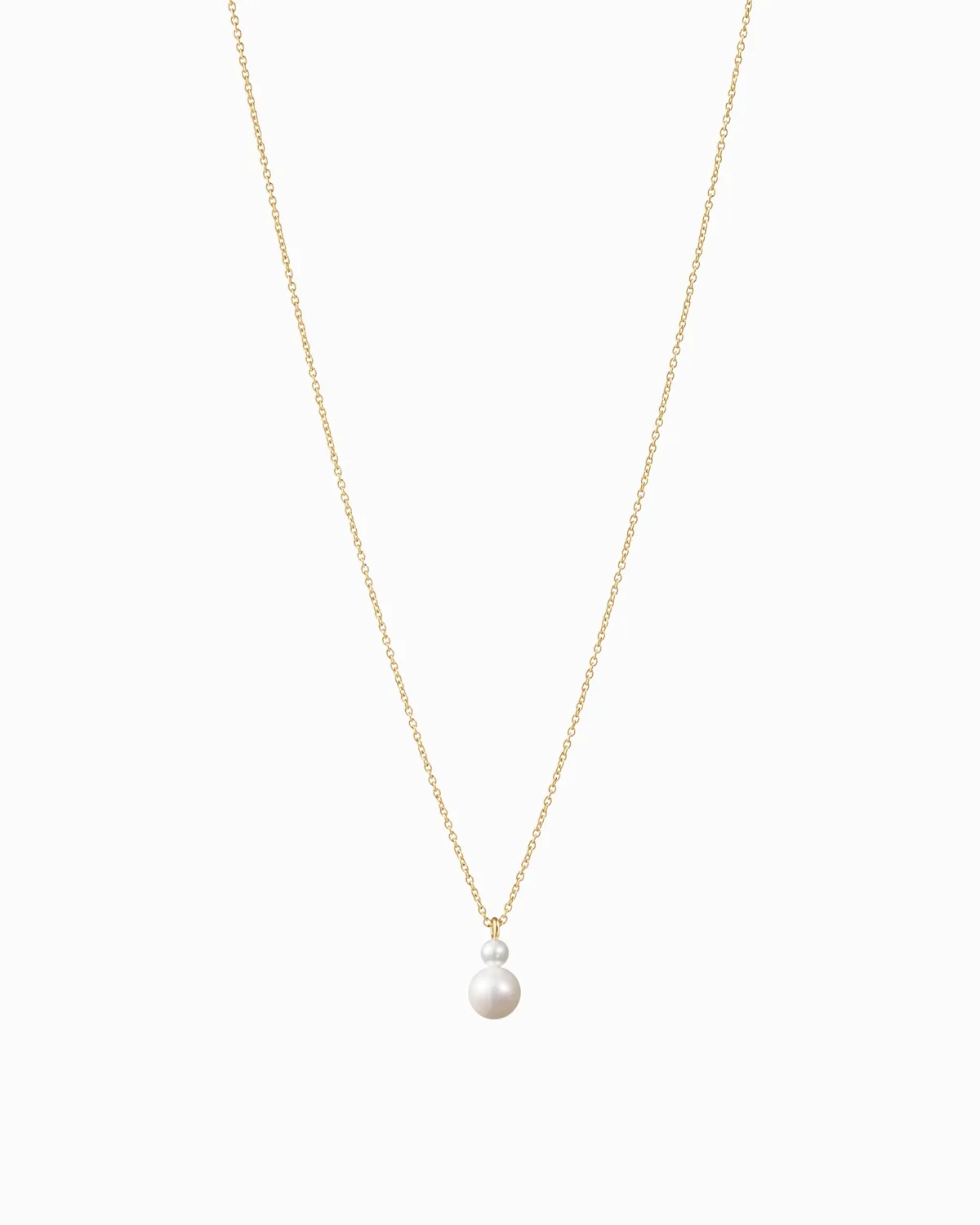 Image: Sophie Bille Brahe · Brand/product photography
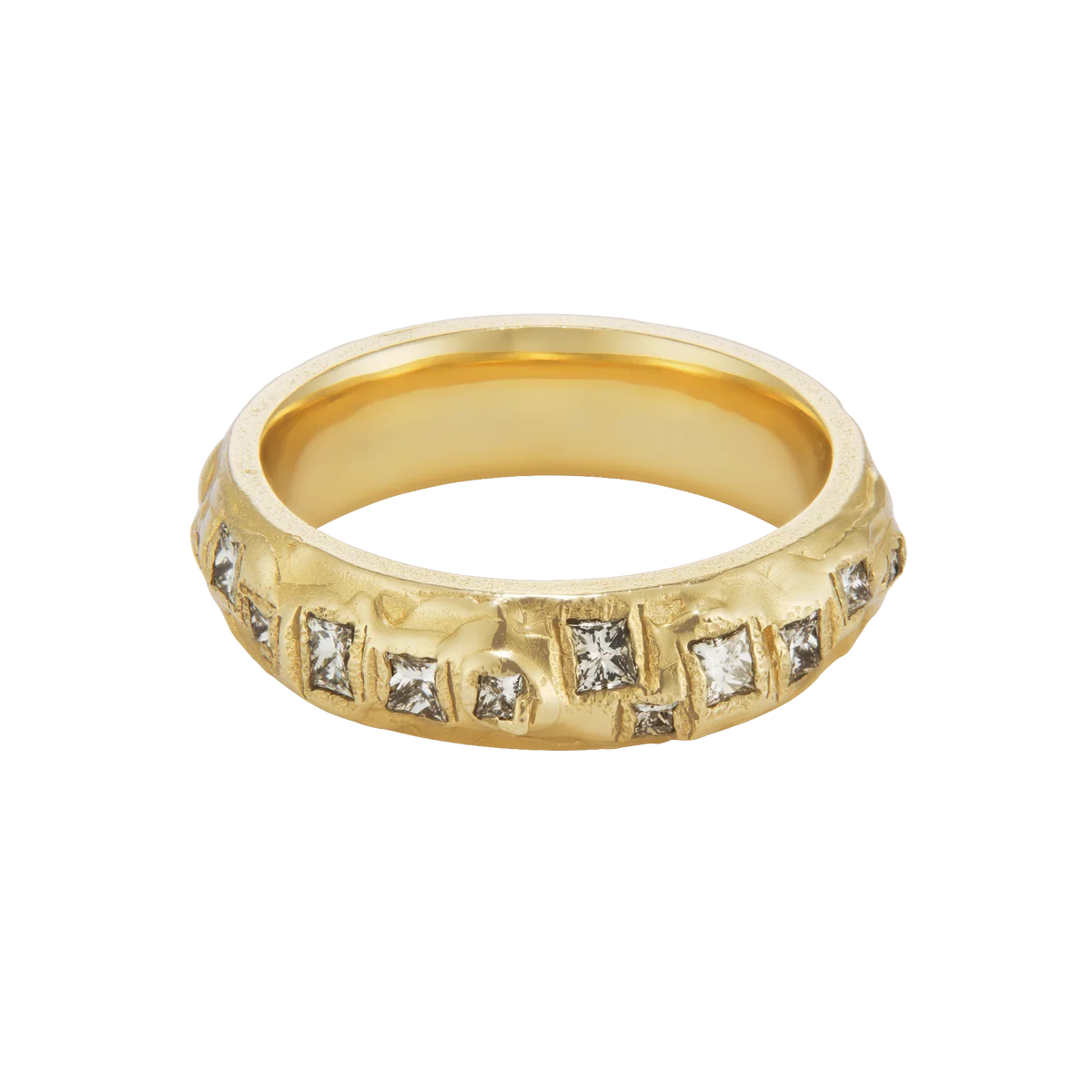 Image: Ellis Mhairi Cameron · Brand/product photography
 Image: Lizzie Mandler · Brand/product photographyImage: Polly Wales · Brand/product photographyImage: Shihara · Brand/product photography
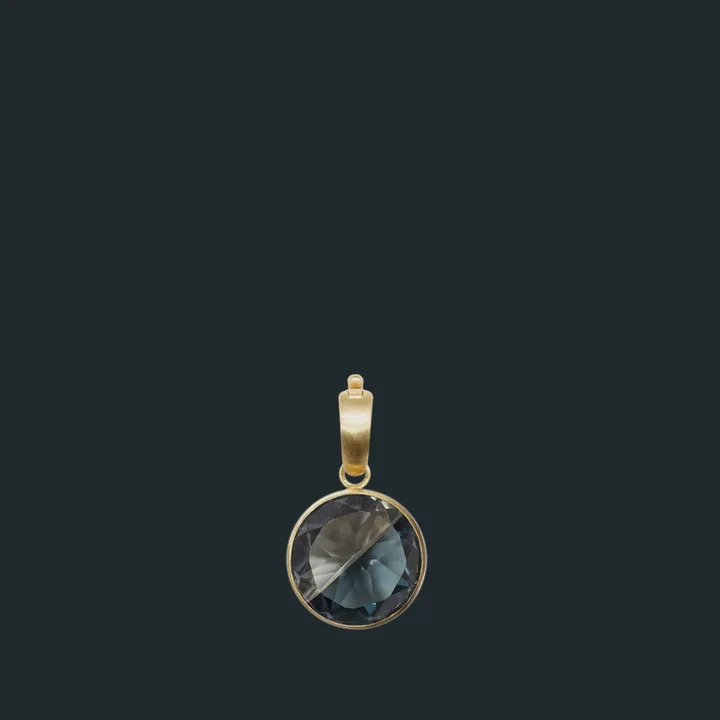 Image: Yutai · Brand/product photographyImage: Hirotaka · Brand/product photography
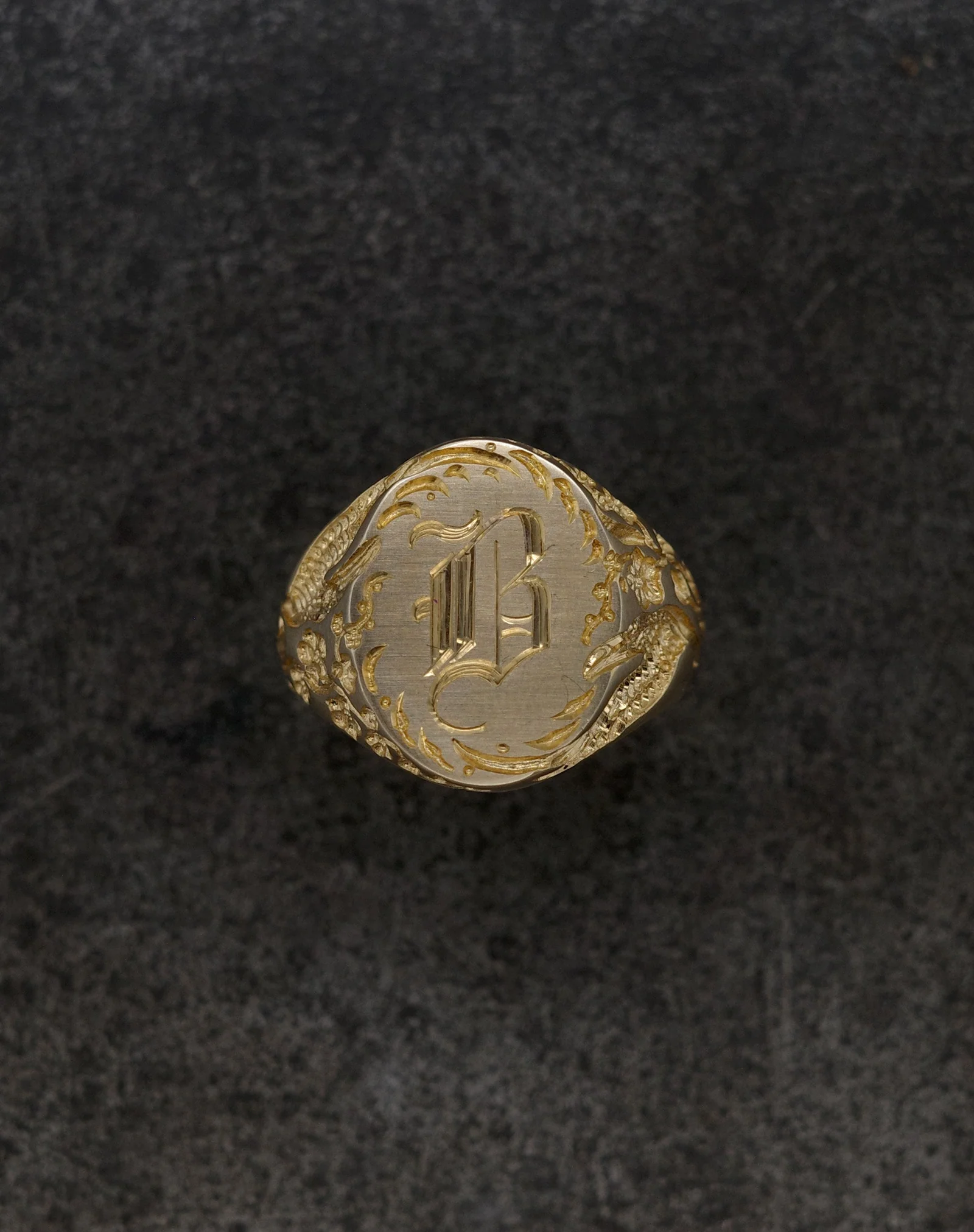 Image: Castro Smith · Brand/product photography
What independent fine jewelry brands can take from this
These follow from the pilot's correlations. None is a promise that a mention will result.
- Decide which question you want to win, then read who wins it today. Run the exact prompt a buyer would use, or check it in Semrush Prompt Research, and read the names. For broad “unique” or “hidden gem” prompts, the pilot's winners were accessible silver and vermeil labels; a solid-gold brand at several thousand dollars rarely appeared. For prompts that describe your niche, it did.
- Say your technique, material, karat and motif in plain words. The brands that surfaced did so for what they make: cast-not-set molten gold, minimalist 18K. Where the specialty was not clearly the headline (alternative bridal, hand engraving, gem fusing), the brands did not appear. One caveat: specialty wording is a researcher choice here, and vocabulary alone did not explain the broad-prompt zeroes.
- Be named where your price tier is listed. Consumer lists favored accessible brands, but the Vogue “Best Jewelry Brands” page named Sophie Bille Brahe. Look for fine-jewelry, investment and “worth the money” roundups in your category, not only the affordable ones, and check whether the page you earn shows up among your cited sources.
- Build pages that answer questions without your name in them. Category pages and buying guides in your own words (for example what to look for in a knife-edge diamond band) give a stranger a way in. In this pilot the brands with a broad footprint were named more; whether building one changes that is untested.
- State delivery, duties and pricing plainly. ChatGPT relayed Shihara's and Hirotaka's own shipping statements once it named them. This did not earn a mention in the broad runs, but it is what the answer repeats once you appear.
Not supported: adding structured data in hope of recommendations (no association found), or optimizing for generic prompts if your work is solid fine jewelry at a higher price.
Method and sources
Pilot. Twenty independent jewelry brands from four countries (United States, United Kingdom, Japan, Denmark), chosen from Found & Form research. Seven broad prompts were taken from Semrush Prompt Research and run across ChatGPT, Google AI Mode and Gemini on October 17, 2026 (45 runs in total, including repeats). Named brands were coded; Semrush AI Visibility and Domain Overview (US database) figures were collected separately. Specialty set. Six researcher-written prompts, one run per platform (18 runs), same signed-in browser, same day. Editorial scan. Seven consumer roundup pages opened in a browser and searched for exact brand names; the eighth page checked was an essay. Products and prices. Own-site product pages sampled and read October 17, 2026. US-market scope. Semrush metrics use its US database, but AI answers were collected in a signed-in browser with a public IP outside the US. US shipping eligibility, duties-paid checkout and returns were not systematically verified for all brands; this is not a US-shipping ranking or a simulation of US-located shoppers. Images. Gallery photos come from existing Found & Form brand assets or brand-hosted product images. Some existing brand assets may not depict the exact linked products. Brand attribution is shown.
Datasets. The underlying files are in the Found & Form research package research/geography-of-jewelry-discovery/, including the visibility-gap follow-up and its followup/ datasets. Related Found & Form research: Discovery Study: Castro Smith, Discovery Study: ARTËMER, Google AI Mode and jewelry brand discovery.
Roundup pages scanned: Vogue · Best Jewelry Brands of 2026 ↗; Vogue · 20 Modern Jewelry Brands ↗; Vogue · 40+ Affordable Jewelry Brands ↗; Who What Wear UK · Best Jewellery Brands ↗; Who What Wear US · 41 Best Jewelry Brands ↗; Marie Claire · 30 Best Jewelry Brands ↗; ELLE UK · 32 Best Jewellery Brands ↗.